
Numerous processes, including detoxification and immunological defense, depend on a functional liver. To keep yours healthy, learn what to eat and what to avoid.
One of the main components of our digestive system is the liver. It performs more than 500 crucial tasks and is just necessary for our general well-being. This hidden hero puts forth endless effort in everything from immune defense and food absorption to energy production and fat digestion.
performs Liver health can be greatly impacted by lifestyle choices, including nutrition, even if immune system problems and heredity play a part in some liver disorders. Excessive alcohol usage causes alcohol-related liver disease (ARLD), whereas hepatic fat accumulation causes non-alcoholic fatty liver disease (NAFLD).
One way we may support excellent liver health and ensure that it performs well is by learning how to maintain a healthy, balanced diet.
What foods are healthy for the liver?
Unsaturated fats
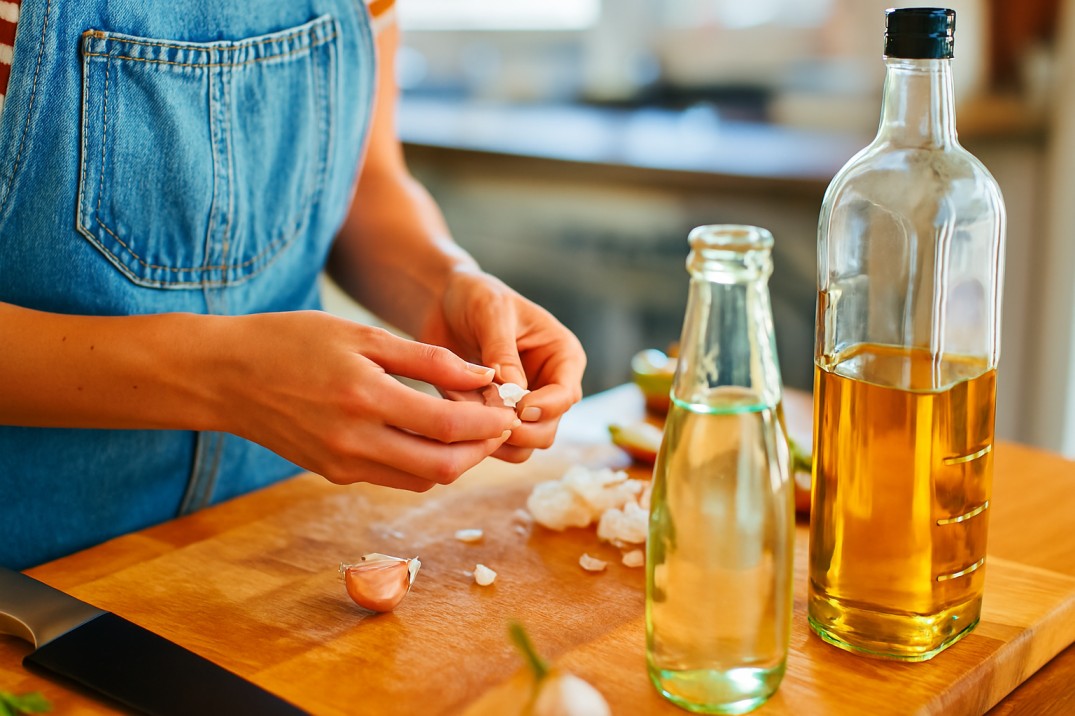
It may be especially helpful to promote liver health by substituting unsaturated fats like those found in avocados, almonds, seeds, olive oil, rapeseed oil, and fatty fish for saturated fats. These healthy fats may help reduce liver inflammation associated with diseases like non-alcoholic fatty liver disease since they are thought to have anti-inflammatory properties.
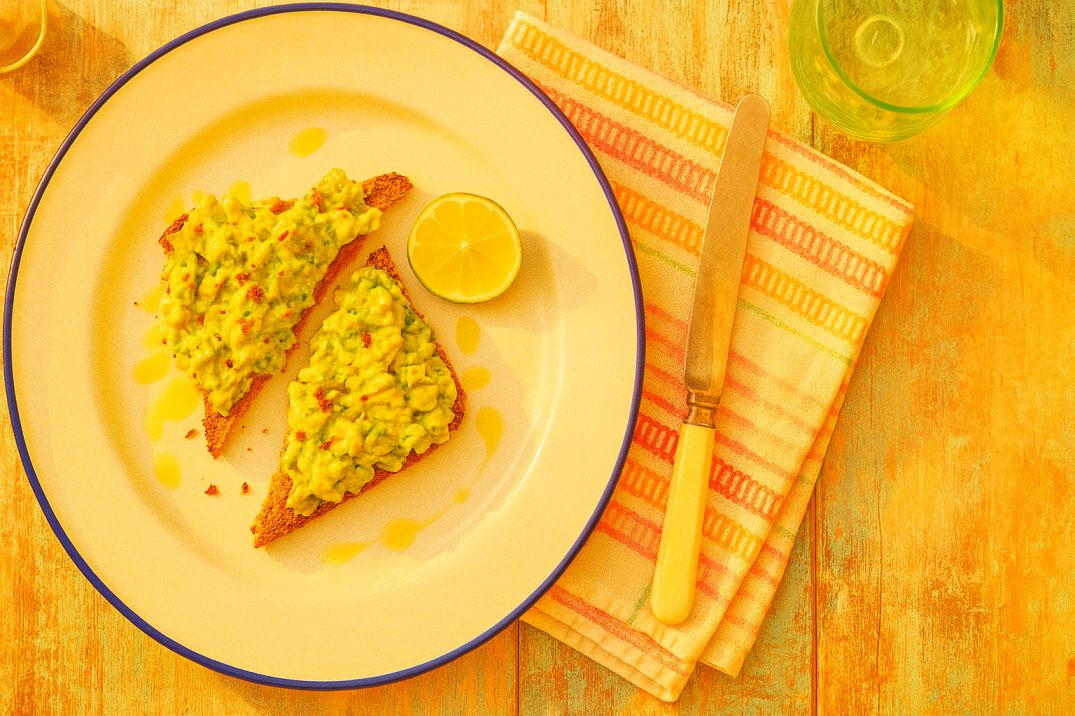
A few easy and tasty ways to include these items in your diet are to cook oily fish for dinner, add avocado to your sandwiches, drizzle olive oil over your salads, or snack on a handful of nuts or sprinkle seeds over your yogurt.
Fruit and vegetables
Everybody has to eat at least five servings of fruits and vegetables each day.
Dietary fiber, which is abundant in fruits and vegetables, may lessen inflammation and liver fat buildup. They are also rich in antioxidants, which can reduce oxidative stress damage to the liver and neutralize free radicals.
Increased intake of fruits and vegetables is also associated with a lower risk of non-alcoholic liver disease, according to recent studies.
It is crucial to keep in mind, though, that these studies might not have taken into consideration other dietary and lifestyle factors that can have a favorable impact on liver health.
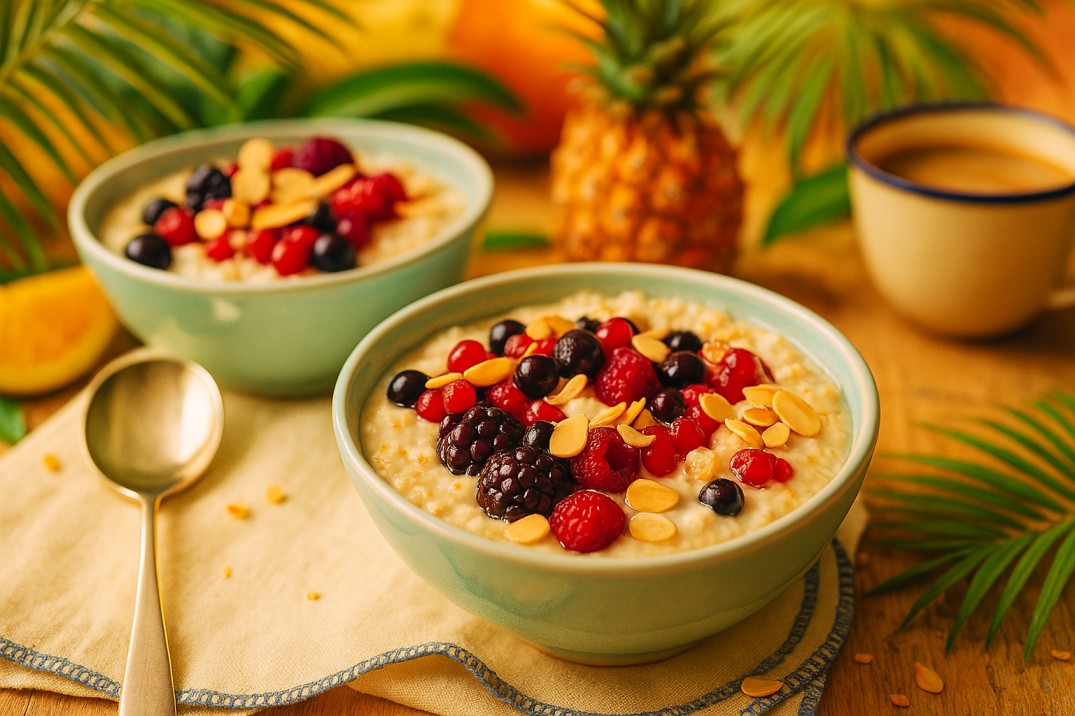
You may easily increase your intake of fruits and vegetables with a little preparation. Consider including more vegetables in your lunches and dinners, or adding berries to your morning porridge.
Wholegrains
Wholegrains, such oats, brown rice, and whole meal bread, are high in fiber, vitamins, and minerals, and may help lower inflammation and enhance liver function. Wholegrains can lower the risk of liver disorders, according to research.
According to a recent study, people who consumed the most wholegrains had a 10% lower chance of getting any kind of chronic liver disease than people who consumed the fewest
Notably, the majority of the data contained self-reported dietary information, which may be erroneous because to misreporting or recollection bias. The study made an effort to account for a number of confounding variables. It can be difficult to take into consideration every possible factor that could affect liver function, including heredity, lifestyle, and other dietary practices.
Notwithstanding these drawbacks, the study offers insightful information about the possible advantages of wholegrains.
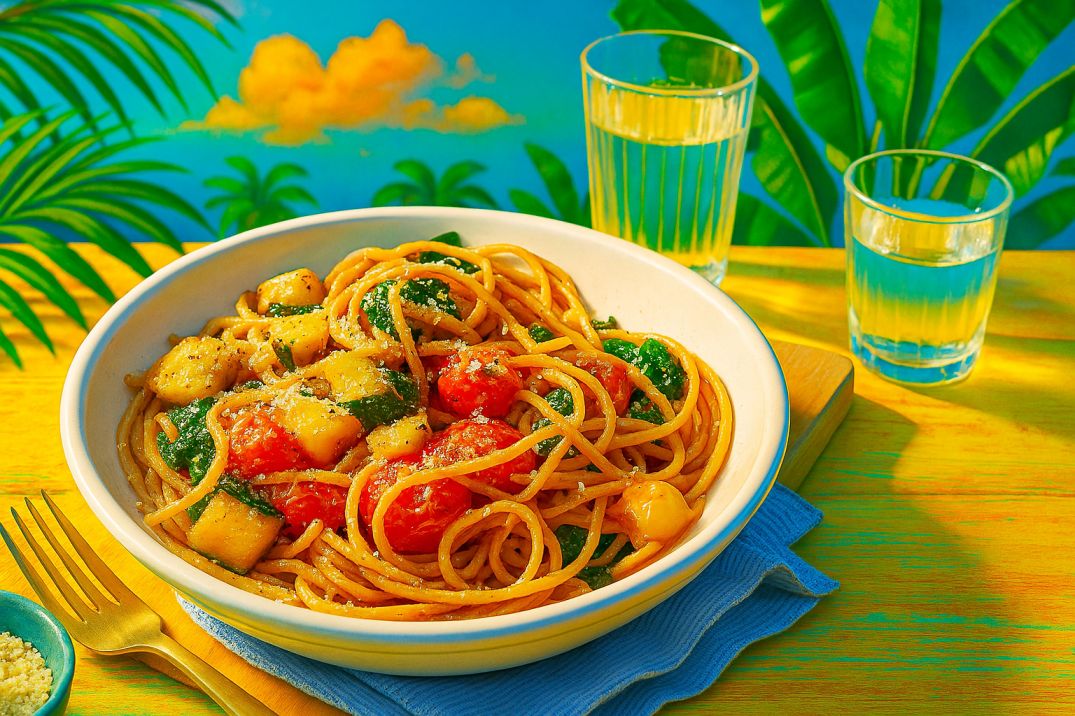
Making the switch to brown rice, wholewheat pasta, or wholewheat noodles for your major meals is a tasty and easy way to incorporate wholegrains into your diet.
Which meals and beverages are detrimental to the health of the liver?Overconsumption of some chemicals can have detrimental effects on our liver. These are
Saturated fats
Consuming excessive amounts of saturated fat, which can be found in butter, ghee, palm oil, coconut oil, processed meats, fatty meats, full-fat dairy products, cakes, biscuits, and pastries, might affect how the liver processes cholesterol. Normally, the liver helps to eliminate excess cholesterol from the blood by producing and breaking it down. A diet heavy in saturated fats, however, may reduce the effectiveness of this process and cause blood cholesterol levels to rise.
Diets high in saturated fats have been shown to build liver fat and contribute more to non-alcoholic fatty liver disease (NAFLD) than diets high in mono- or polyunsaturated fats. Consuming too much saturated fat can also raise the synthesis of ceramides, which are chemicals associated with inflammation of the liver and further aggravate fatty liver diseases.
You do not have to completely give up your favorite goodies, though, so do not panic. The secret is moderation; consuming these items less frequently and in smaller quantities will support liver function while still enabling you to sometimes treat yourself to your favorites.
Free sugars
According to studies, eating too many free sugars can cause the liver to become obese. This occurs as a result of intricate processes that raise lipogenesis, the liver’s production of fat from non-fat sources.
Any sugar added to food or beverages is considered a free sugar. These include of carbonated drinks, some morning cereals, and flavored yoghurts. Free sugars also include the sugars found in honey, syrups, nectars, and unsweetened fruit and vegetable juices and smoothies.
According to UK government guidelines, free sugars should not account for more than 5% of our daily caloric intake or energy from food and beverages.
Alcohol
The liver’s tenacity and capacity for regeneration are well-known. However, some liver cells are harmed or destroyed as the liver breaks down alcohol to eliminate it from the bloodstream.
Although the liver is capable of producing new cells, persistent heavy drinking can impair this capacity and cause liver disease.
A accumulation of lipids in the liver can occur even from heavy alcohol use over a few days. Unrelated to infectious hepatitis, alcoholic hepatitis is a dangerous illness that can develop over time as a result of heavy alcohol use. This emphasizes how crucial moderation is.It is advised to limit weekly alcohol consumption to no more than 14 units.
It is advised to incorporate multiple days without alcohol if you do consume it, as opposed to “saving up units” and consuming them all at once. This method can help keep your liver safe. Telling your friends and family that you are cutting back on alcohol and that it is important to you could help you obtain their support if you are doing so.
It is best to talk to your doctor or get help if you are worried about your drinking patterns.

Can liver health be enhanced by certain diets?
According to research, liver health may benefit from both the Mediterranean and Dietary Approaches to Stop Hypertension (DASH) diets. Rich in wholegrains, fruits, vegetables, fish, and olive oil, the Mediterranean diet has been associated with improvements in liver health and liver enzyme levels as well as a decrease in liver fat, especially in people who already have liver diseases such non-alcoholic fatty liver disease (NAFLD).
Similarly, the DASH diet, which emphasizes fruits, vegetables, wholegrains, low-fat dairy, and less salt, has been linked to improved liver function and decreased inflammation. It is intended to treat and manage high blood pressure. Larger sample sizes and longer duration of trials are needed.
Although these diets are in line with government recommendations for a balanced diet, it is crucial to take social and cultural factors into account when making such recommendations. Individuals’ food choices are frequently impacted by their social level, cultural background, and personal preferences.
It is always a good idea to consult a certified dietician when in doubt, particularly if you already have a liver disease.
Notice: Your doctor and dietitian’s accurate medical diagnosis and nutritional recommendations should always be followed. Please contact your GP for tailored support and advice.